
Search for:

Essential Trailer Maintenance Guide: From Oil Caps to Wheel Hubs

Proper trailer maintenance is critical for safety, performance, and long-term cost efficiency—especially for businesses relying on transport, logistics, or heavy-duty equipment. Components like oil caps, hub assemblies, and wheel systems must be regularly inspected and maintained to prevent breakdowns and costly repairs.

Products such as dexter 21 88 oil caps and components like k71 704 00 hub kits are widely used in trailer maintenance for their durability and compatibility. Understanding how these parts function—and how to maintain them—can help businesses avoid downtime and extend equipment lifespan.

Oil Filter Wrench: A Key Tool for Trailer Maintenance

While oil filter wrenches are commonly associated with engine maintenance, they also play a role in servicing trailer components, particularly when dealing with oil caps and lubrication systems.

Why Oil Caps Matter

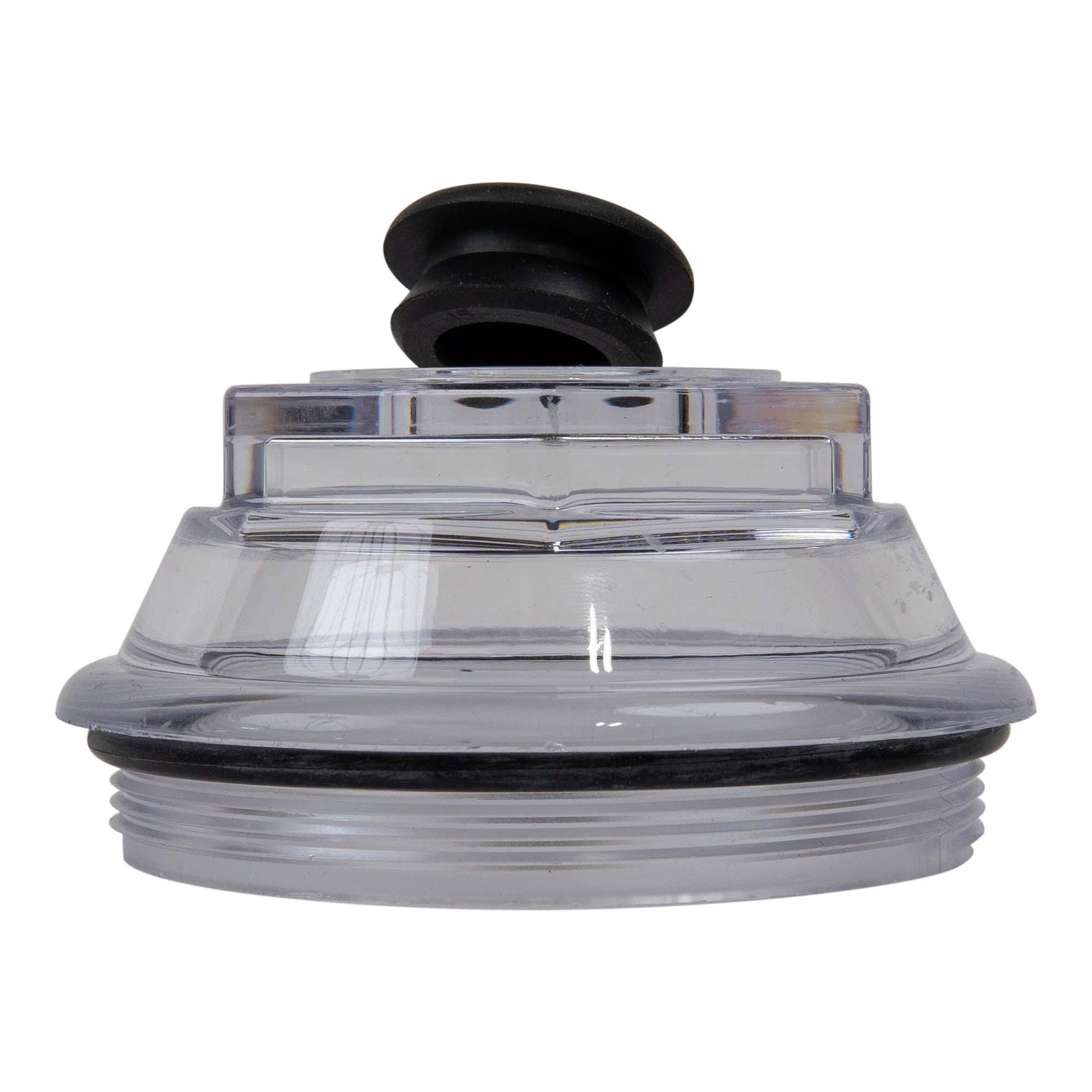
Oil caps, such as the dexter 21 88, are designed to:

  • Protect wheel bearings from dirt, debris, and moisture
  • Maintain proper lubrication within the hub
  • Extend the life of internal components

Using the right tools ensures these caps are installed and removed safely without damage.

Best Practices for Using an Oil Filter Wrench

  • Choose the correct size to avoid slipping or damaging the cap
  • Apply steady pressure rather than force
  • Inspect the cap and surrounding area for wear or leaks

For a deeper understanding of how these caps protect your trailer, explore this detailed guide on dexter 21 88 oil caps.

Practical Insight

A logistics company operating a fleet of trailers found that inspection of oil caps significantly reduced bearing failures. By using proper tools and replacing worn caps promptly, they minimized maintenance costs and improved fleet reliability.

Hubcaps: How to Install Them Correctly

Hubcaps are not just aesthetic components—they also serve a protective function by shielding wheel hubs from contaminants.

Steps to Install Hubcaps

  1. Clean the Hub Area
    Remove dirt, grease, and debris to ensure a secure fit.
  2. Align the Hubcap Properly
    Position the hubcap evenly over the hub.
  3. Press or Tap into Place
    Use a rubber mallet if necessary to secure the hubcap without causing damage.
  4. Check for Stability
    Ensure the hubcap is firmly attached and does not wobble.

Benefits of Proper Installation

  • Protects internal components from environmental damage
  • Enhances overall wheel performance
  • Reduces long-term maintenance costs

Example

A small transport business improved the longevity of its trailer hubs by ensuring hubcaps were properly installed and regularly inspected. This simple step helped prevent contamination and reduced the frequency of repairs.

How to Replace a Wheel Hub

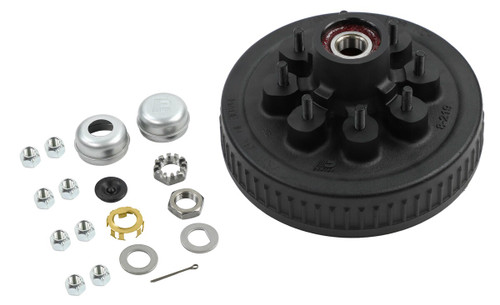
Replacing a wheel hub is a more advanced maintenance task but essential for ensuring safe trailer operation. Components like the k71 704 00 hub kit are commonly used for efficient replacements.

When Should You Replace a Wheel Hub?

  • Unusual noises such as grinding or humming
  • Excessive wheel play or vibration
  • Visible damage or wear
  • Overheating of the hub assembly

Step-by-Step Replacement Process

  1. Lift the Trailer Safely
    Use a jack and secure the trailer with stands.
  2. Remove the Wheel
    Loosen lug nuts and take off the wheel.
  3. Detach the Old Hub Assembly
    Remove the dust cap, cotter pin, and spindle nut.
  4. Inspect Bearings and Components
    Check for wear or damage before installing new parts.
  5. Install the New Hub
    Fit the replacement hub (such as a k71 704 00 kit) onto the spindle.
  6. Reassemble and Secure
    Tighten all components and reinstall the wheel.
  7. Test the Installation
    Ensure smooth rotation and proper alignment.

For a detailed walkthrough of bearing and hub replacement, refer to this step-by-step guide on changing wheel bearings.

Safety Tip

Always follow manufacturer guidelines and torque specifications to avoid improper installation, which can lead to serious safety risks.

Conclusion: Building a Reliable Trailer Maintenance Strategy

Maintaining trailer components like oil caps, hubcaps, and wheel hubs is essential for operational efficiency and safety. By using quality parts such as dexter 21 88 oil caps and k71 704 00 hub kits, businesses can reduce downtime and extend the lifespan of their equipment.

Key Takeaways

  • Oil caps protect critical components and require proper tools for maintenance
  • Correct hubcap installation prevents contamination and improves performance
  • Replacing worn wheel hubs ensures safe and reliable operation
  • Regular inspections and preventive maintenance reduce long-term costs

For businesses that rely on trailers daily, investing time in proper maintenance is not just a necessity—it’s a strategic advantage. Evaluate your current maintenance practices, train your team, and ensure you’re using the right tools and components to keep your operations running smoothly.

2188 oil cap

Dexter 21 88 Oil Caps: Protecting Your Trailer’s Wheel Assemblies

Introduction

Dexter 21 88 oil Caps are a critical component in ensuring the long-term performance and safety of your trailer’s wheel assemblies. These unassuming yet essential accessories play a vital role in shielding sensitive components from the elements, enhancing bearing performance, and promoting overall trailer reliability. In this article, we’ll explore the hidden benefits of using quality Dexter 21 88 oil Caps and why they should be viewed as an investment rather than a mere accessory.

The Multifaceted Benefits of Dexter 21 88 Oil Caps

  • Protection from Moisture and Debris

Dexter 21 88 oil Caps create a barrier against moisture, dirt, and debris, preventing these contaminants from infiltrating the wheel bearings and causing premature wear or corrosion. By maintaining a clean and dry environment, these oil Caps help extend the lifespan of your trailer’s wheel components.

  • Improved Bearing Performance

Quality Dexter 2188 oil Caps play a crucial role in maintaining proper lubrication of the wheel bearings. By sealing in the grease and preventing contaminants from entering the bearing assembly, these oil Caps help reduce heat buildup during long hauls, which can be a leading cause of bearing failure. This, in turn, extends the operational life of the bearings, saving you the cost and hassle of frequent replacements.

  • Enhanced Safety on the Road

Dexter 21 88 oil Caps serve as an early warning system for potential wheel-related issues. By providing a clear visual indicator of any problems, such as loose or missing wheel nuts, these oil Caps can help you identify and address these concerns before they escalate into more serious incidents, such as wheel separation. This enhanced safety feature can give you peace of mind and help prevent potentially dangerous situations on the road.

Cost Savings in the Long Run

The investment in quality Dexter 21 88 oil Caps can pay dividends in the long run. By protecting the wheel bearings and other components, these oil Caps can help reduce the frequency of costly bearing replacements and other maintenance procedures. Additionally, some insurance providers may offer discounts or benefits to trailer owners who use high-quality oil Caps, further contributing to the overall cost savings.

Conclusion

Dexter 21 88 oil Caps are more than just a decorative accessory; they are an essential component in ensuring the long-term performance, safety, and cost-effectiveness of your trailer. By understanding the multifaceted benefits of these oil Caps, trailer owners can make an informed decision that not only improves the appearance of their vehicle but also contributes to its overall reliability and road safety.

Dexter axle oil cap

How To Read Dexter Axle Serial Numbers 

I have never owned a Trailer dexter 21 88, but I know that many people with axles of all kinds have difficulty locating serial numbers. The serial number is essential when you need service or replacement parts on your trailer. 

How to Read Dexter Axle Serial Numbers 

Each Dexter axle has a serial number that is unique. This number can be used to find the axle as well as identify replacement parts if necessary. The primary thing you will see is a model number. For Dexter 21 88, this number begins with a D and is tracked by two digits. For instance, the D21 is a very popular Dexter axle model for lots of Jayco trailers. 

The next four digits represent the week of production as well as the year of production. For instance, if the serial number is 1110, then the axle was manufactured in the 11th week of 2010. The last four digits of the serial number can be used to find the axle type and size. For example, 9000 represents a 9000 pound axle. With this combination of letters and numbers, you can identify replacement parts or file a service claim. 

Where Can You Find the Serial Number of Your Axle? 

You must locate the data tag to find the Dexter axle serial number. The data label can be located on the tongue of the trailer or on each side of the axle near the wheel hub. Newer Trailer Axle Dexter have a vinyl label and older ones have a metal label. Both should be comparatively simple to locate. 

How Do You Know What Type of Dexter Axle You Have? 

The last four digits of the serial number will indicate the axle size and type. A four-digit capacity must have four digits. For example: 

  1. Each 3500-pound axle must have the number 3500 at the end of the serial number.
  2. Each 9000-pound axle must have the number 9000 at the end of the serial number.

You can always contact Dexter customer service for help if you are not sure what size axle you have. 

How Are Trailer Axle Dexter 21 88 Measured? 

Trailer Axle Dexter is generally measured in pounds of capacity. The bigger the number, the greater the weight capacity. For instance, a 9,000-pound axle can carry 9,000 pounds of weight. Dexter axle provides a variety of various-sized axles to meet the requirements of various trailers. There are small, medium, and heavy-duty Trailer Axle Dexter that can attune between 2000 and 30,000 pounds. 

A huge toy hauler will be prepared with an axle that can support a weight of no less than 20,000 pounds, if not more, while a light utility trailer may just have an axle of 2,000 pounds. 

Where Is the Part Number on a Trailer Axle Dexter? 

The part number is the other name for the serial number or model number and is located in a similar place. The part number is generally located on the data label that is attached to each side of the dexter axle on the tongue of the trailer or close to the wheel hub. The part number will appear as a series of letters and numbers. 

Last Words 

If you need to order replacement parts or repair your trailer, you will have to know the serial number of your axle. For Trailer Axle Dexter 21 88, this number is located near the wheel hub or on the tongue of your trailer. It contains 9 digits that indicate the serial number, the size, and the type of axle, as well as the week and the year of manufacturing. To find the necessary parts, searching for “trailer parts near me” can help you locate local suppliers.