



Essential Trailer Maintenance Guide: From Oil Caps to Wheel Hubs
Proper trailer maintenance is critical for safety, performance, and long-term cost efficiency—especially for businesses relying on transport, logistics, or heavy-duty equipment. Components like oil caps, hub assemblies, and wheel systems must be regularly inspected and maintained to prevent breakdowns and costly repairs.
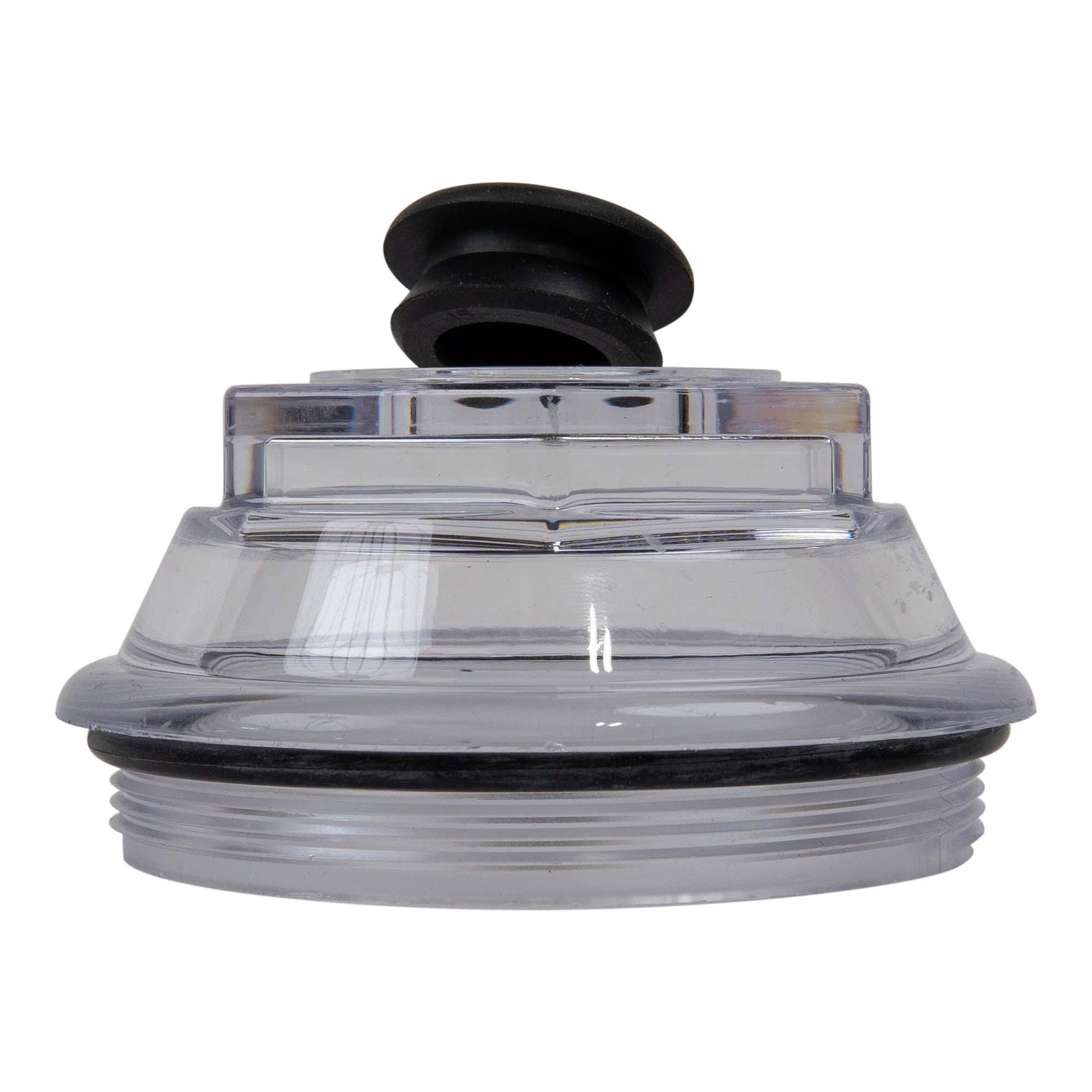
Products such as dexter 21 88 oil caps and components like k71 704 00 hub kits are widely used in trailer maintenance for their durability and compatibility. Understanding how these parts function—and how to maintain them—can help businesses avoid downtime and extend equipment lifespan.
Oil Filter Wrench: A Key Tool for Trailer Maintenance
While oil filter wrenches are commonly associated with engine maintenance, they also play a role in servicing trailer components, particularly when dealing with oil caps and lubrication systems.
Why Oil Caps Matter
Oil caps, such as the dexter 21 88, are designed to:
- Protect wheel bearings from dirt, debris, and moisture
- Maintain proper lubrication within the hub
- Extend the life of internal components
Using the right tools ensures these caps are installed and removed safely without damage.
Best Practices for Using an Oil Filter Wrench
- Choose the correct size to avoid slipping or damaging the cap
- Apply steady pressure rather than force
- Inspect the cap and surrounding area for wear or leaks
For a deeper understanding of how these caps protect your trailer, explore this detailed guide on dexter 21 88 oil caps.
Practical Insight
A logistics company operating a fleet of trailers found that inspection of oil caps significantly reduced bearing failures. By using proper tools and replacing worn caps promptly, they minimized maintenance costs and improved fleet reliability.
Hubcaps: How to Install Them Correctly
Hubcaps are not just aesthetic components—they also serve a protective function by shielding wheel hubs from contaminants.
Steps to Install Hubcaps
- Clean the Hub Area
Remove dirt, grease, and debris to ensure a secure fit. - Align the Hubcap Properly
Position the hubcap evenly over the hub. - Press or Tap into Place
Use a rubber mallet if necessary to secure the hubcap without causing damage. - Check for Stability
Ensure the hubcap is firmly attached and does not wobble.
Benefits of Proper Installation
- Protects internal components from environmental damage
- Enhances overall wheel performance
- Reduces long-term maintenance costs
Example
A small transport business improved the longevity of its trailer hubs by ensuring hubcaps were properly installed and regularly inspected. This simple step helped prevent contamination and reduced the frequency of repairs.
How to Replace a Wheel Hub
Replacing a wheel hub is a more advanced maintenance task but essential for ensuring safe trailer operation. Components like the k71 704 00 hub kit are commonly used for efficient replacements.
When Should You Replace a Wheel Hub?
- Unusual noises such as grinding or humming
- Excessive wheel play or vibration
- Visible damage or wear
- Overheating of the hub assembly
Step-by-Step Replacement Process
- Lift the Trailer Safely
Use a jack and secure the trailer with stands. - Remove the Wheel
Loosen lug nuts and take off the wheel. - Detach the Old Hub Assembly
Remove the dust cap, cotter pin, and spindle nut. - Inspect Bearings and Components
Check for wear or damage before installing new parts. - Install the New Hub
Fit the replacement hub (such as a k71 704 00 kit) onto the spindle. - Reassemble and Secure
Tighten all components and reinstall the wheel. - Test the Installation
Ensure smooth rotation and proper alignment.
For a detailed walkthrough of bearing and hub replacement, refer to this step-by-step guide on changing wheel bearings.
Safety Tip
Always follow manufacturer guidelines and torque specifications to avoid improper installation, which can lead to serious safety risks.
Conclusion: Building a Reliable Trailer Maintenance Strategy
Maintaining trailer components like oil caps, hubcaps, and wheel hubs is essential for operational efficiency and safety. By using quality parts such as dexter 21 88 oil caps and k71 704 00 hub kits, businesses can reduce downtime and extend the lifespan of their equipment.
Key Takeaways
- Oil caps protect critical components and require proper tools for maintenance
- Correct hubcap installation prevents contamination and improves performance
- Replacing worn wheel hubs ensures safe and reliable operation
- Regular inspections and preventive maintenance reduce long-term costs
For businesses that rely on trailers daily, investing time in proper maintenance is not just a necessity—it’s a strategic advantage. Evaluate your current maintenance practices, train your team, and ensure you’re using the right tools and components to keep your operations running smoothly.